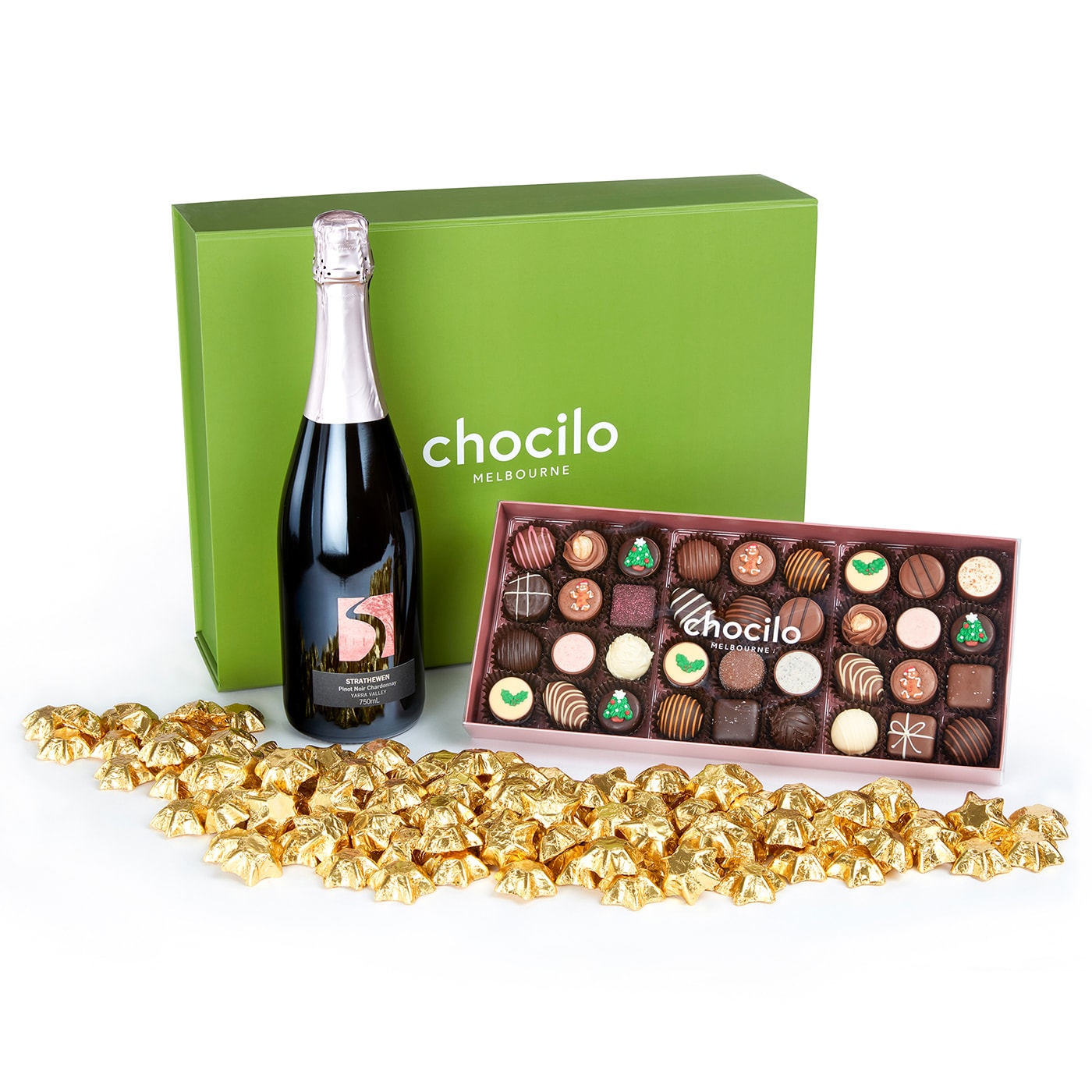
Sending a sweet surprise across borders can feel like sending a love letter in a chocolate wrapper—delicious, thoughtful, and, if you’re not careful, a recipe for disaster. Whether you’re a boutique chocolatier, a busy corporate gifting team, or a well‑meaning friend, understanding the customs maze is the key to ensuring your chocolate gift basket arrives unscathed and on time. This guide walks you through the process, sprinkled with a touch of humor and a few real‑world anecdotes to keep the sugar rush going.
---
The Sweet Science of International Shipping
Why Customs Matters for Your Chocolate Basket
Customs isn’t just a bureaucratic hurdle; it’s the gatekeeper that determines whether your sweet treasures make the cut or end up in a warehouse. Think of customs as the bouncer at a high‑profile club—only those with the right paperwork and clear intentions get in. For chocolate, the stakes are higher because:
- Perishability: Chocolate can melt, especially in warm climates, turning your gift into a sad puddle. Regulations: Many countries restrict certain ingredients (e.g., high‑fat dairy, nuts) or require specific labeling. Tariffs: Duties can inflate the final cost, making a $100 basket suddenly feel like a $150 one.
The Basics of Customs Clearance
| Step | What Happens | Why It Matters |
|------|--------------|----------------|
| Declare Value | Provide https://rentry.co/tmrh6nob the exact retail price of each item. | Avoids under‑declaration penalties. |
| Classify Goods | Use the Harmonized System (HS) code for chocolate (often 1806). | Determines duty rates and compliance. |
| Attach Proper Documentation | Commercial invoice, packing list, and any required certificates. | Proves authenticity and origin. |
| Choose the Right Incoterm | e.g., DDP (Delivered Duty Paid) vs. EXW (Ex‑Works). | Clarifies who pays duties and who handles customs. |
---
Packing Perfection: From Chocolate to Customs
Selecting the Right Packaging
Your chocolate basket should look as good on the inside as it does on the outside. A sturdy, insulated box with a moisture‑barrier lining is essential. Here’s a quick checklist:
- Insulation: Foam inserts or thermal blankets keep temperatures stable. Sealing: Use high‑quality packing tape and double‑layer seals to prevent tampering. Labeling: Clearly mark “Perishable” and “Fragile” on the exterior.
Crafting a Killer Commercial Invoice
A commercial invoice is the passport of your chocolate. It must be precise and honest. Include:
- Seller and buyer details (names, addresses, contact numbers). Item description (e.g., “Dark chocolate truffles, 10g each”). HS code (1806.10.00 for dark chocolate). Unit price and total value. Country of origin. Terms of sale (Incoterm).
Remember, a typo or a vague description can trigger a customs hold. Treat the invoice like a love note—clear, sincere, and detailed.
---
Navigating the Customs Landscape
Understanding Duty and Taxes
Every country has its own tariff schedule. For chocolate, duty rates typically range from 0% to 8%, depending on the country and product type. Taxes, such as VAT or GST, are applied on top of the duty‑free value plus the duty itself. For example, if you ship a $120 basket to Germany, you might face:
- Duty: 4% of $120 = $4.80 VAT: 19% of ($120 + $4.80) ≈ $24.44
The total cost becomes $149.24. Knowing these numbers helps you price your gift basket accurately and avoid surprises for the recipient.
Certificates and Compliance
Some countries require additional certificates:
- Food Safety Certificate: Proves your chocolate meets local health standards. Halal Certificate: Needed if the recipient is in a predominantly Muslim country. Organic Certification: For baskets marketed as organic.
These certificates can be obtained from your local food authority or a certified third‑party agency. Don’t skip them; they’re the golden tickets that let your chocolate pass through customs without a hitch.
---
Choosing the Right Shipping Partner
Carrier Expertise Matters
Not all carriers treat international chocolate the same. Look for partners that:

- Offer temperature‑controlled transit (e.g., FedEx’s “Cool” service). Provide real‑time tracking so you can monitor the journey. Have a proven track record with perishable goods.
Timing Your Shipment
Timing is everything. Shipping during cooler months reduces the risk of melting. Also, avoid shipping during peak holiday seasons (like Christmas) when customs processing times can stretch. A good rule of thumb: ship at least 5–7 business days before the recipient’s special date.
---
The Final Sweet Spot: From Customs to Celebration
What Happens After Customs Clears?
Once customs clears your shipment, the carrier hands it over to the local postal service or a final Additional reading delivery partner. At this point, the responsibility shifts to ensuring the basket arrives in pristine condition. Here are a few final tips:
- Confirm the recipient’s address: A small typo can lead to a costly detour. Provide a contact number: In case the local courier needs to verify delivery details. Include a thank‑you note: A personal touch that turns a simple delivery into a memorable experience.
A Sweet Anecdote
I once shipped a chocolate gift basket to a client in Singapore. The package arrived after a 48‑hour customs hold due to a missing certificate. The client, a chocolate connoisseur, sent a photo of the melted truffles and a handwritten note: “I didn’t expect this, but I’ll still love it.” We apologized, re‑shipped with the proper documentation, and the next delivery arrived perfectly intact. Moral of the story? Double‑check the paperwork, and your chocolate will stay as sweet as intended.
---
Making Your International Chocolate Gift a Delight
Customs can feel like a maze, but with the right preparation, it’s a detour you can navigate smoothly. From accurate invoices and proper packaging to choosing the right carrier and timing your shipment, each step ensures your chocolate reaches its destination in the same delicious state it left your workshop.
Remember, shipping chocolate internationally isn’t just about logistics—it’s about delivering joy across borders. Treat customs as a friendly gatekeeper, not a foe, and your sweet gift will cross oceans with grace. Now, go ahead, pick that perfect chocolate basket, and let the world taste your confectionery love.